
Donate Farmland to Charity
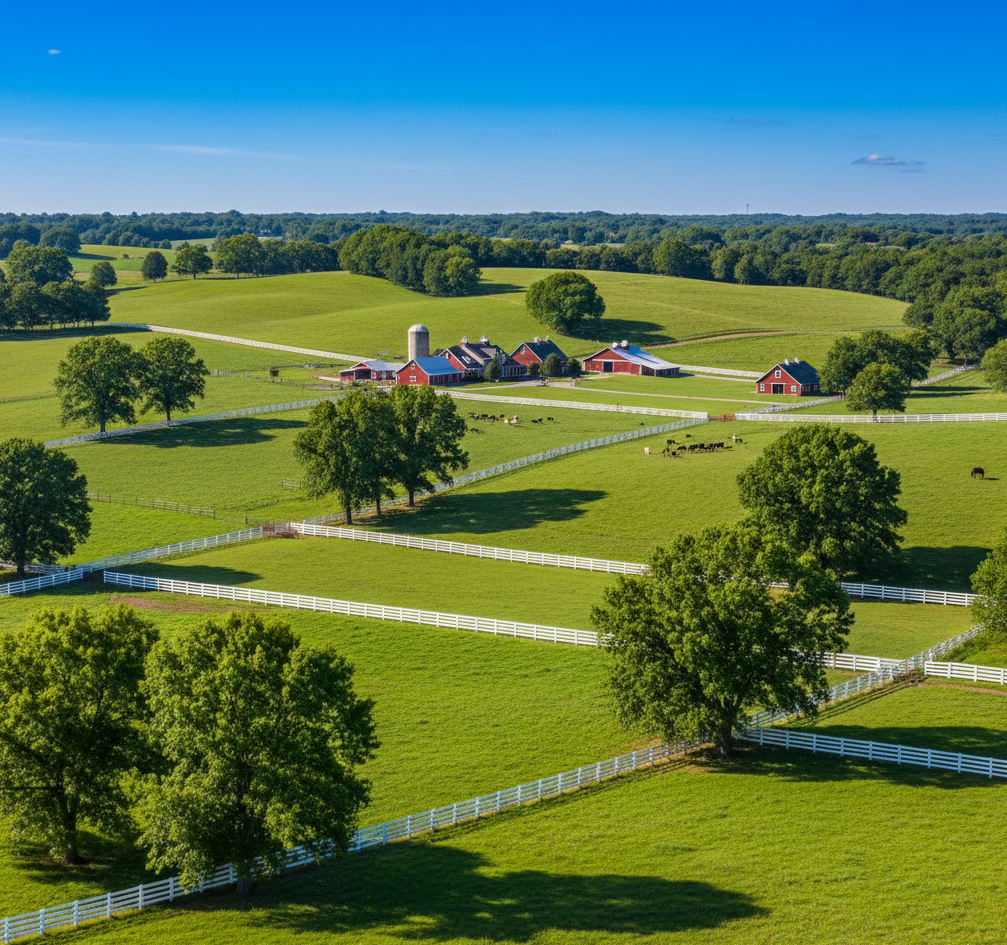
You can donate farmland, ranches, pasture, and timberland to a qualified nonprofit instead of selling. Donate Real Estate Now guides farm gifts to Real Estate with Causes, which reviews title, leases, mineral and water rights, and environmental status, then records the transfer, letting families retire from farm ownership without an auction or a long listing.
Quick answer
- Cropland, pasture, orchards, ranches, timberland, and farms with homes or barns can be reviewed.
- Existing cash-rent or crop-share leases can stay in place through the transfer.
- Farmland held over one year may support a deduction based on appraised fair market value.
- Donation generally avoids capital gains tax on land that has appreciated over decades.
- Mineral, water, and conservation easement details must be disclosed during review.
Why It Matters
Why Families Donate Farmland
Farmland is often the largest asset a family owns, and deciding what to do with it when no one wants to farm can be difficult. Donation is one path worth comparing.
No Heir Wants to Farm
When children have built lives elsewhere, a donation can resolve the land without dividing it or forcing a sale among siblings.
Learn moreAvoid Large Capital Gains
Land bought generations ago may be worth many times its basis. Donating generally avoids the tax that a sale would trigger on that gain.
Learn moreRetire From Management
Negotiating rents, fixing fences, managing drainage, and paying taxes ends at transfer.
Learn moreSkip the Auction
Land auctions and listings take time and add costs. A donation follows a set review and closing process.
Learn morePossible Deduction
Farmland held longer than a year may support a deduction tied to appraised value, which can be carried forward five years.
Learn moreLeave a Legacy
Your family’s land can fund charitable work through Real Estate with Causes.
Learn moreOverview
Farm and Ranch Property We Review
Acceptance depends on title, access, leases, rights, and resale value.
The Process
How to Donate a Farm in 3 Steps
Farm gifts follow the standard process with extra attention to leases and rights.
Describe the Farm
Share location, acres, tillable versus non-tillable, current leases, buildings, and any easements or mineral reservations.
Rights and Title Review
Real Estate with Causes checks title, access, leases, water and mineral rights, program contracts, and environmental history before accepting.
Deed and Record
You sign the deed and assign leases. The nonprofit records the transfer and provides a written acknowledgment for your tax records.
Answers
What Happens to My Farm Lease If I Donate?
An existing farm lease generally transfers with the land, so your tenant keeps farming under the current terms. Cash rent after closing goes to the nonprofit. Many states have rules for terminating farm leases, so any change at the end of a lease follows state notice requirements.
Tell your tenant early. A good tenant relationship often helps the nonprofit, since stable rental income and a known operator make the land easier to manage or sell.
Is Donating Farmland Tax Deductible?
Yes, when the land goes to a qualified public charity and you itemize. For farmland held over one year, the deduction is generally its appraised fair market value, limited to 30% of adjusted gross income, with a five-year carryforward. Capital gains tax on the appreciation is generally avoided.
Qualified farmers and ranchers have special higher limits for qualified conservation contributions, which are different from outright gifts. From 2026, itemizers deduct only gifts above 0.5% of adjusted gross income, and top-bracket filers have a 35% cap on deduction value. An agricultural tax advisor can explain which rules fit your farm.
What IRS Paperwork Is Required?
For donated property valued over $5,000, the IRS requires a qualified appraisal and Section B of Form 8283, signed by the receiving charity and attached to your return. If the claimed value exceeds $500,000, the appraisal itself must also be attached. Keep the charity’s written acknowledgment.
The appraisal must be made no earlier than 60 days before the gift and received before your return is due. IRS Publication 561 explains valuation, and the Form 8283 page explains reporting. Confirm any charity’s status with the IRS Tax Exempt Organization Search.
Do Mineral, Water, or Wind Rights Affect a Farm Donation?
Yes. If mineral, water, or wind rights were reserved or leased separately, the gift may not include the entire property interest, and partial-interest rules can limit or disallow a deduction. Share deeds, leases, and royalty records during review so everyone knows exactly what is being transferred.
Answers
Who Should Consider Donating Farmland?
Farm donation fits retiring farmers without a successor, heirs who inherited land far from where they live, absentee owners tired of managing tenants and taxes, and families with large unrealized gains who want a charitable outcome rather than a taxable sale.
- Retiring farmers with no family member farming
- Siblings who co-inherited land and disagree on its future
- Absentee landowners in another state
- Families seeking to avoid tax on decades of appreciation
What Records Help a Farm Donation Move Quickly?
The most useful records are the deed and title policy, current farm leases, recent property tax statements, any USDA program contracts, maps showing tillable acres and boundaries, and documents on easements, drainage districts, and mineral or wind leases. Old records are fine; share what you have and note what is missing.
How Long Does a Farm Donation Take?
A farm with clear title and a simple cash-rent lease can close within weeks of acceptance. Estates, multiple heirs, separated mineral rights, or USDA contracts add time. Start well before year-end if you want the deduction in a particular tax year, and plan around harvest and lease renewal dates.
Good to Know
What Happens to Farmland After It Is Donated?
Once the deed is recorded, the farm belongs to Real Estate with Causes. In most cases the land is eventually sold, often to a neighboring farmer or investor, and the proceeds fund charitable programs. Where a lease is in place, the nonprofit may keep collecting rent until the timing is right to sell.
Some families care deeply that the land stays in agriculture. If that matters to you, raise it at the start. Permanent use restrictions are usually handled through a conservation easement with a land trust, which is a separate type of gift with its own appraisal and rules. We can explain the difference so you can choose the right path.
Timing also matters on a working farm. Transfers are easiest after harvest or before a new lease year begins, so plan the gift around the crop calendar and your tenant’s needs.
- Sold to fund programs (most common)
- Leased until the right time to sell
- Coordinated around harvest and lease dates

Compare
Donating vs. Selling Farmland
How the two paths compare for long-held farmland.
| Factor | Donate | Sell or Auction |
|---|---|---|
| Marketing time | Defined review and closing | Weeks to months, seasonal |
| Auction or broker fees | None | Commonly 1–6% |
| Capital gains tax | Generally avoided | Owed on decades of gain |
| Existing lease | Transfers with the land | May need to end before sale |
| Possible deduction | Fair market value, subject to limits | None |
FAQ
Frequently Asked Questions
Still have a question? Call (877) 721-1627 or send us a note and we will answer it directly.
Can I donate only part of my farm?
Yes, if the part is legally split and recorded before the gift. A fraction of one deed is a partial interest with strict rules.
Can I keep living in the farmhouse?
A retained life estate in a personal residence or farm can qualify for a deduction. It is a different gift structure; ask your advisor.
What about USDA program payments?
Program contracts may need to transfer or end. Share them during review.
Is land under a conservation easement accepted?
It can be reviewed. The easement lowers market value and must be disclosed.
Do you accept timberland with standing timber?
Yes. Timber value is part of the appraisal. Do not cut before the gift.
Can I donate a farm with equipment?
Equipment is personal property and is handled separately from the land.
Keep Reading
Explore Related Guides

Thinking About Your Farm’s Future?
Talk with us about the land, the lease, and your goals before you decide anything.